Want to save up to $1,000 each year on car maintenance? It’s easier than you think, even for people with few mechanical skills. Think of it this way, if you know how to change light bulbs in your home, clean out a fridge, and do routine household cleaning and repairs, you can chop a big chunk off your vehicle expenses. Here are some things you can do all by yourself. A few might mean watching a short video and buying a couple tools or car parts. But, by doing so, you’ll be able to avoid paying excessive labor charges to the local mechanic shop owners.

Air Filter Magic
This is probably the easiest of all the chores on this list. Oddly, few people opt for the DIY approach and instead pay high fees for air filter replacement. Locate the filter by reading the car’s manual. Unhook the little door or latch that covers the filter housing. Be sure to purchase the correct replacement item, based on part number, for your particular make and model. If the current filter looks just a little dirty, take it out and vacuum it before replacing it into the car.
Learn Brake Pad DIY Skills
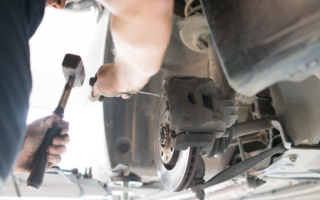
Most people are shocked to learn that they can change brake pads on a car in under an hour and with little technical skill. To begin, review an online guide on buying the bet brake pads for your car. Knowing which brake pads to buy is half the battle. And, after that, the rest is relatively easy. Begin by removing the slider bolt and the wheel, positioning the caliper upward, removing the old pads, putting the retaining clips back, putting the fresh pads on, pulling back the pistons, adding brake fluid if needed, re-setting the caliper to its original position, putting the slider-bolt back on, and replacing the wheel. Do the other side. Take a test drive to make sure everything sounds and feels good when you come to a stop.
Just Do It! Change Your Own Oil
People hate messy oil, and usually avoid changing their vehicle’s oil out of fear. It’s really a simple task, but it helps immensely to purchase a pair of metal jack stands to prop up the front of the car on both sides. That way, you can get underneath the remove the oil plug. Place a large plastic container under the plug. Be sure to use the right wrench size to loosen it. Wear protective goggles and plastic gloves. After loosening the oil pan’s plug a bit, do the rest of the unscrewing with your hand and be ready to pull the plug away when the oil begins to pour out into the drop pan.
Follow the manual’s guidelines about what kind of oil to use and how much to put in after a change. Doing this half hour chore every 3,000 miles will add years of life to your vehicle and boost your MPG a bit as well. Note that even if your manual recommends oil changes less frequently than every 3,000 miles, consider using the 3,000-rule anyway.

A married father of three, Justin Weinger works in private equity as a Corporate Finance Manager, he is also an avid blogger and personal finance enthusiast with a strong history of working in the automotive and publishing industry.
Read More


It's no secret that vehicles are depreciating assets. The second you buy a new car…
Having a car has become a necessity for the majority of people over the last…

If you can do a home upgrade and save money while doing so, you will…

Whether new or used, you want to get yourself the best deals when buying your…

President Gerald Ford labeled inflation “public enemy number one” when it climbed to 20 percent…

We’re taught from an early age that there are golden rules to saving money—cut back…

Comments